

A Century of Giving
For generations, Hearst has coupled its success with a strong commitment to people and community partners. Explore more in our historical timeline and case studies.

1897
Alice McLellan Birney and Phoebe Apperson Hearst create the National Parent Teacher Association at a meeting of the National Congress of Mothers in Washington, D.C., that is attended by 2,000 parents, teachers, workers and legislators. Phoebe Hearst was the mother of William Randolph Hearst, the founder of Hearst.
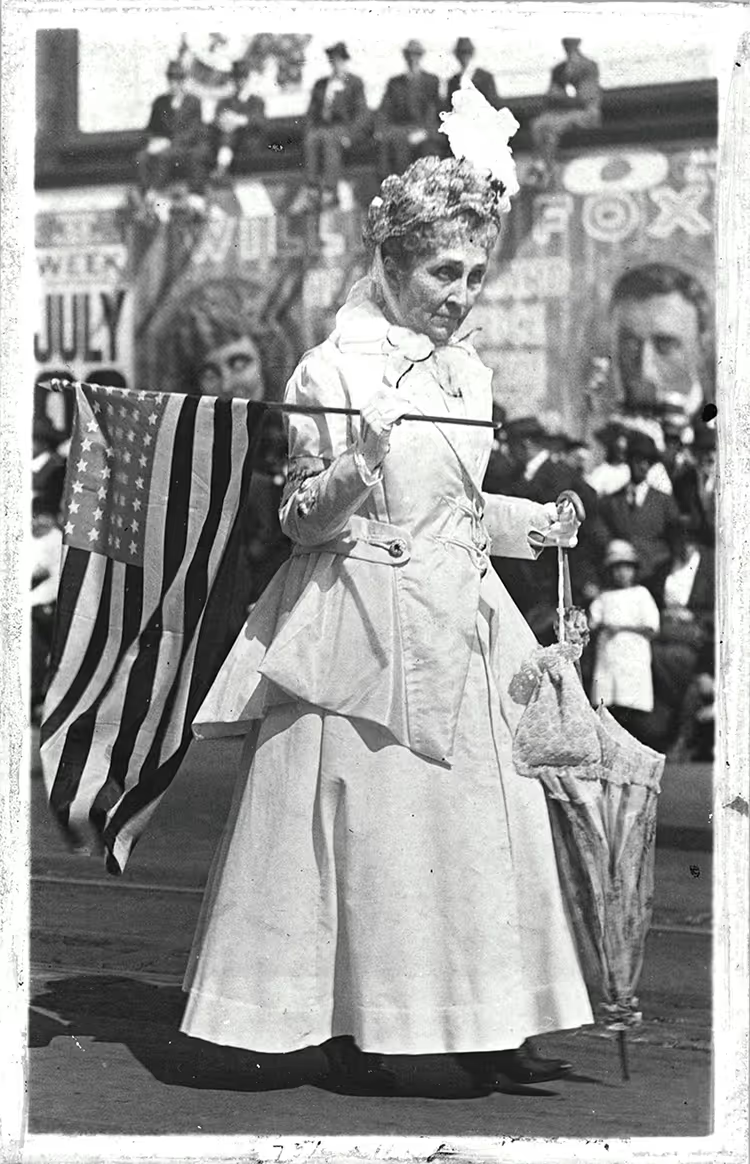
Phoebe Apperson Hearst marches in a local San Francisco parade.

1901
Phoebe Hearst founds the University of California Museum of Anthropology, later called the Robert H. Lowie Museum of Anthropology. The original collection comprised 230,000 objects representing cultures and civilizations throughout history. The institution was renamed the Phoebe A. Hearst Museum of Anthropology in 1992 and today contains an estimated 3.8 million objects.
The Phoebe A. Hearst Museum of Anthropology building holds the oldest and largest anthropology collection in the Western United States.

1938
William Randolph Hearst joins prominent New York business leaders, philanthropic groups and labor unions to create the Greater New York Fund, the precursor to the United Way of New York City.
The fund aimed to “contribute to the cost of maintaining voluntary services essential to the health and welfare of New York City.”
William Randolph Hearst (left) met with various prominent peers like Winston Churchill (center) and Louis B. Mayer (right) to advocate for shared causes.

1946
The Hearst Foundations, Inc. is founded by William Randolph Hearst, with a mission to provide grants to create sustainable employment paths for adults, improve health, increase access to high-quality educational options, promote the arts and sciences and support family stability and self-sufficiency.
To date, the Foundations have provided 23,000 grants totaling $1.6 billion, supporting over 6,500 organizations.

1958
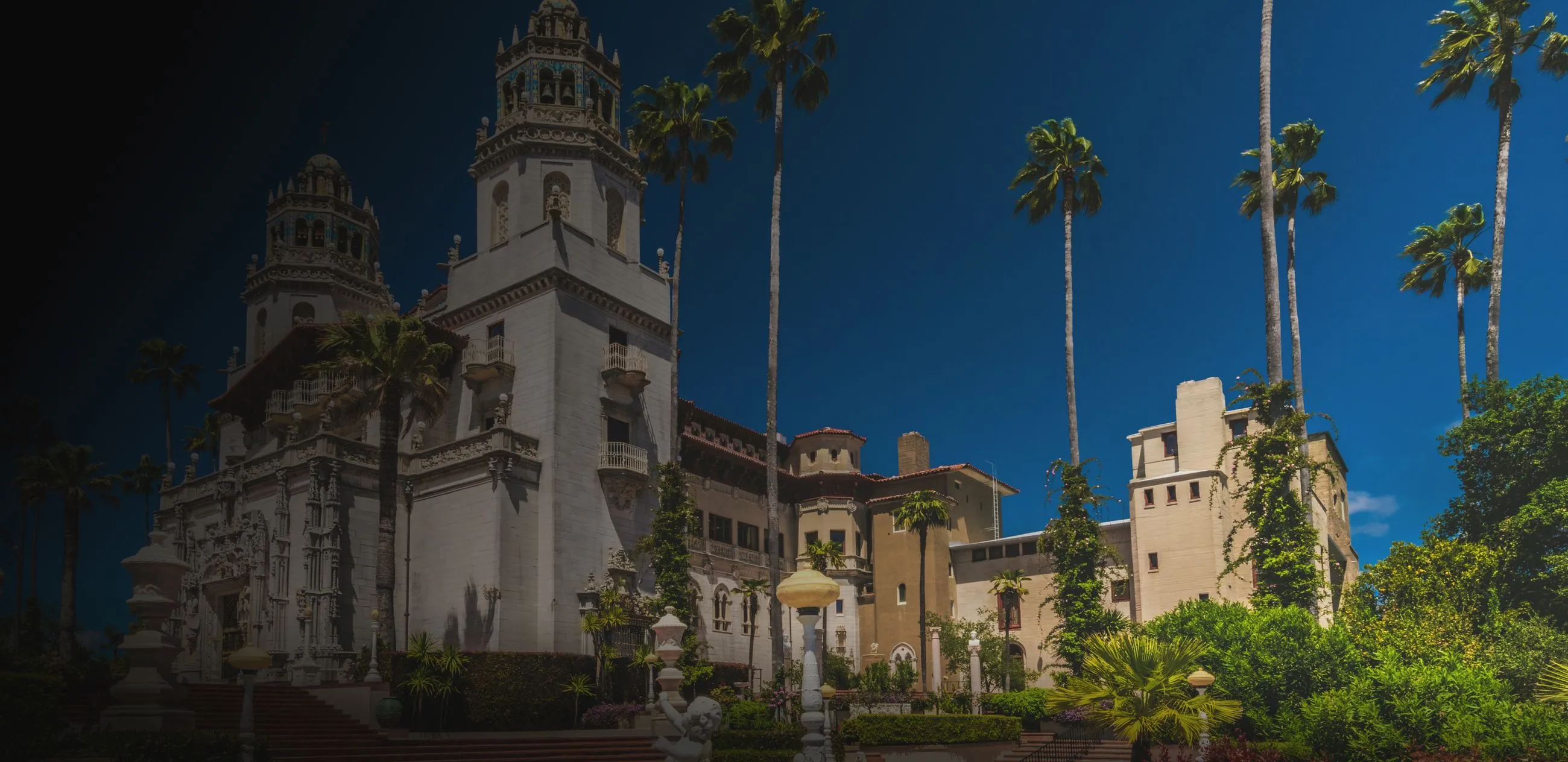
Hearst deeds Hearst Castle to the State of California in January, and the Hearst San Simeon State Historical Monument opens to the public that summer.
Today, it attracts more than 750,000 visitors annually and has a major economic impact on the region.

1960
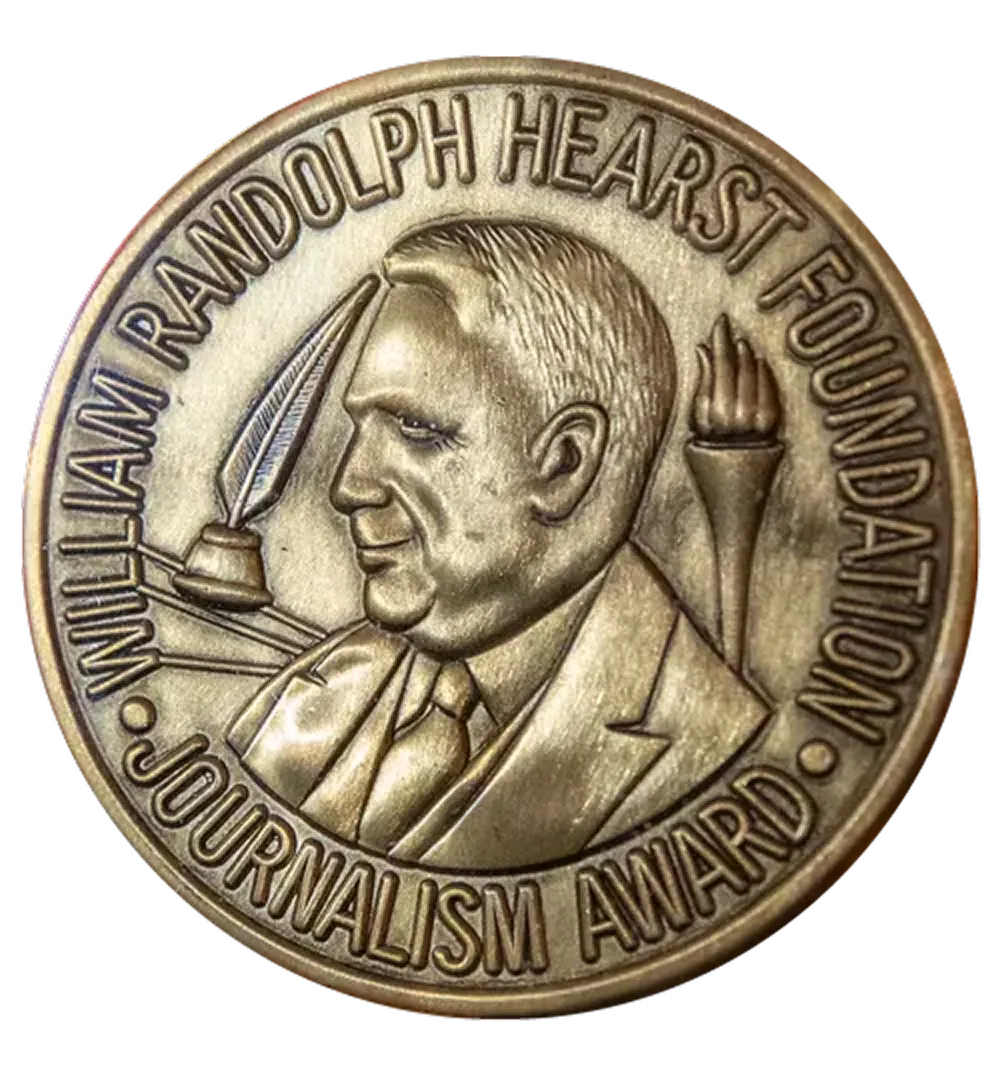
The Hearst Journalism Awards Program is founded to provide support, encouragement and assistance to journalism education at the college and university level via scholarships, with matching grants to the students’ schools.
Each year up to $700,000 is distributed to students through ongoing competitions and the annual championship week, as well as grants to the participating universities, stipends and intercollegiate awards.
1962
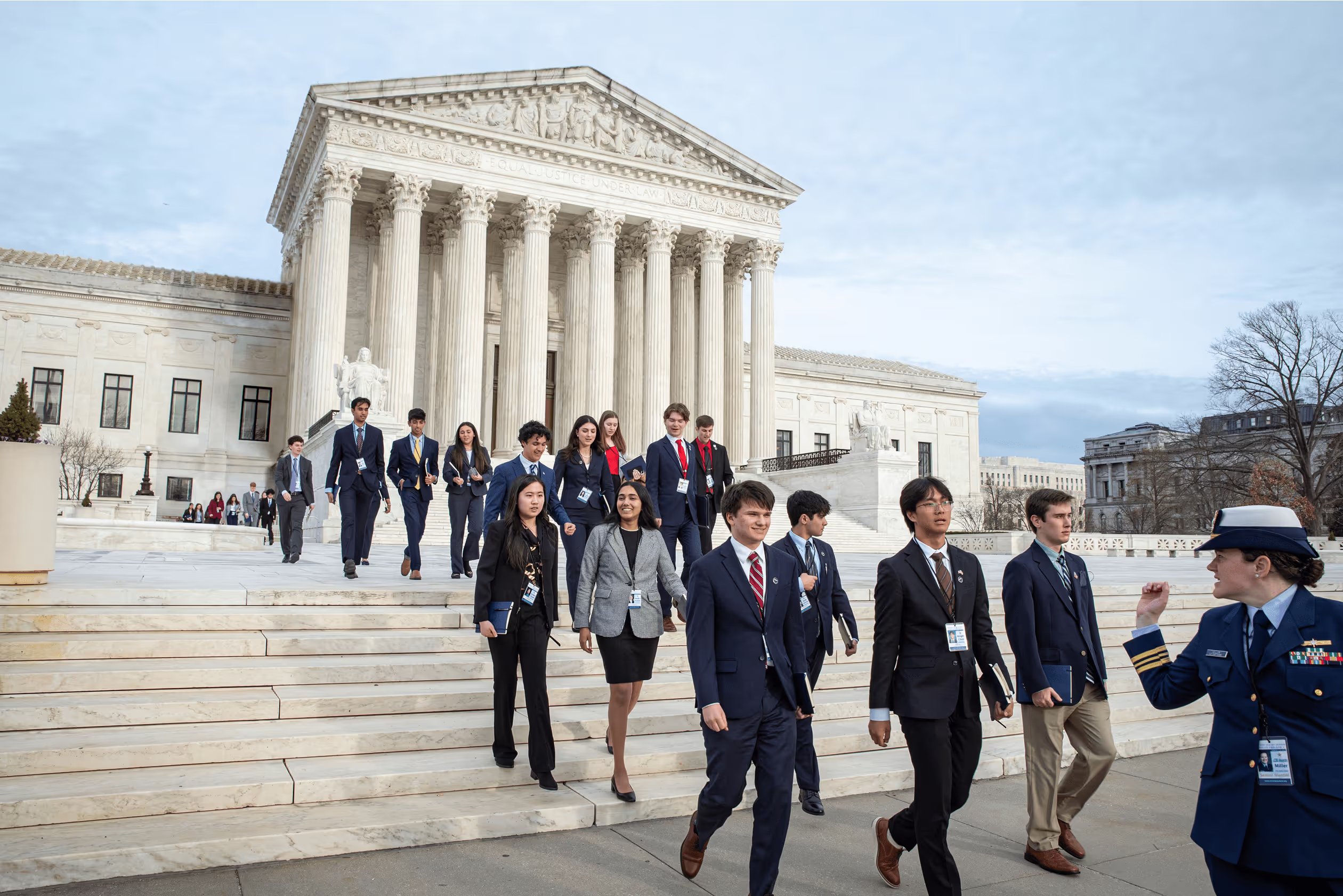
The Hearst Foundations’ United States Senate Youth Program is created by the passage of Senate Resolution 324.
1986
The San Francisco Chronicle partners with the Evelyn and Walter Haas, Jr. Fund to create the Chronicle Season of Sharing Fund, which has distributed $205 million in the past 38 years for housing, critical needs and food assistance across the San Francisco Bay Area, helping tens of thousands of households.
A large cross-functional team of San Francisco Chronicle colleagues give their time and expertise to support the fund in its efforts to improve lives.
1991
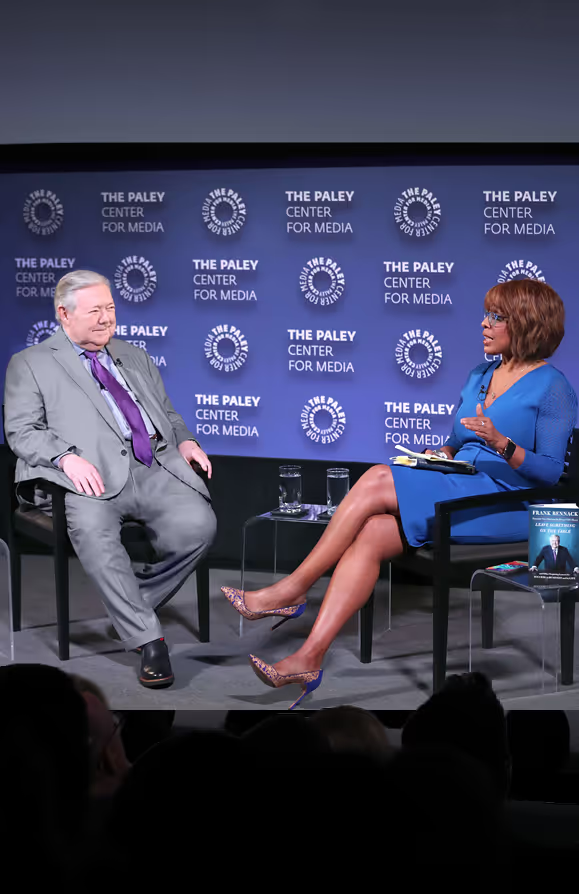
Frank A. Bennack Jr. becomes chairman of the Paley Center for Media’s board of trustees (formerly known as the Museum of Television and Radio).
1997
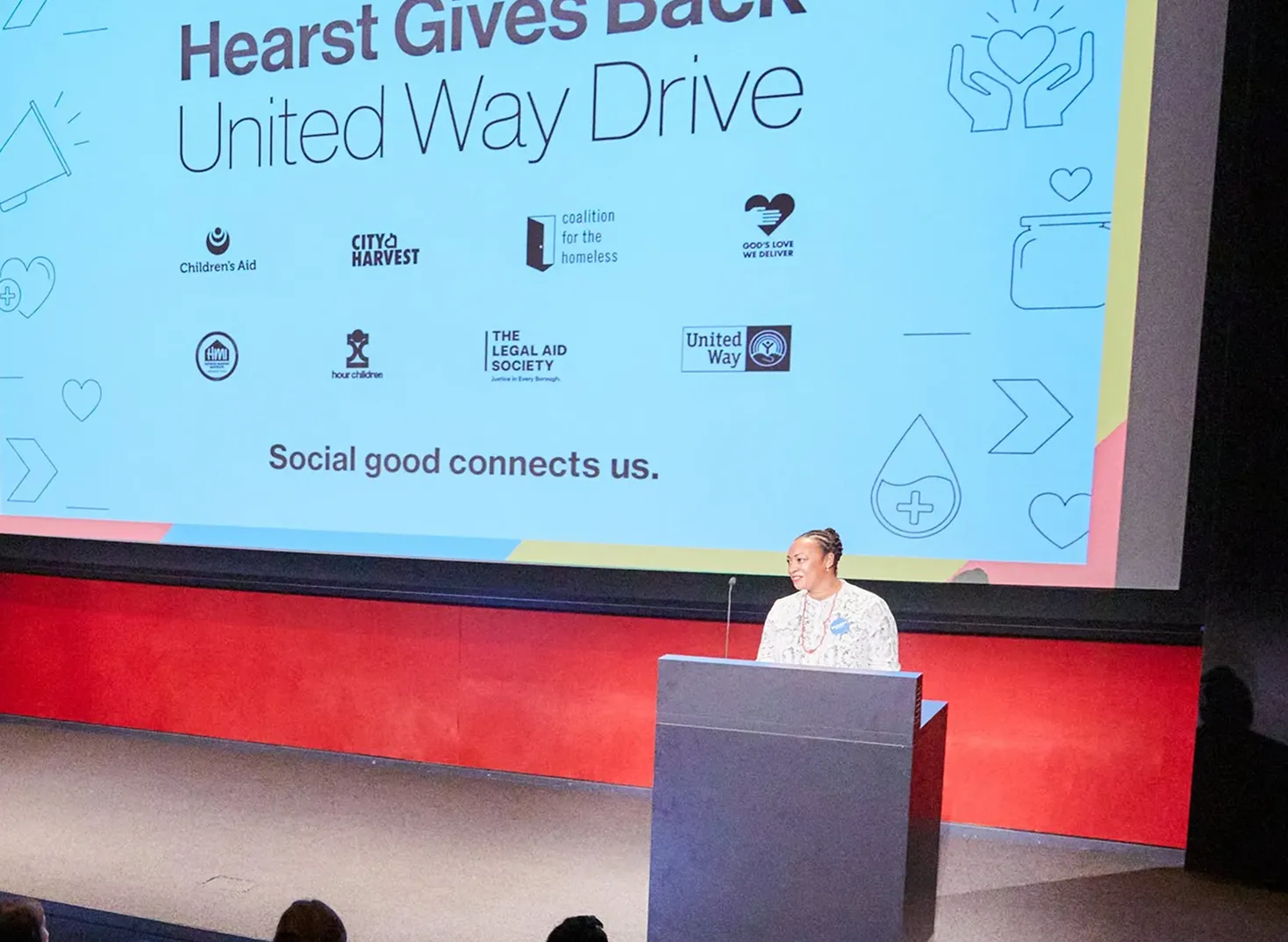
Hearst launches what will become an annual charitable drive to benefit the United Way and other 501(c)(3) organizations. With the Hearst match, Hearst colleagues have donated more than $36 million to nonprofits serving our communities.
2001
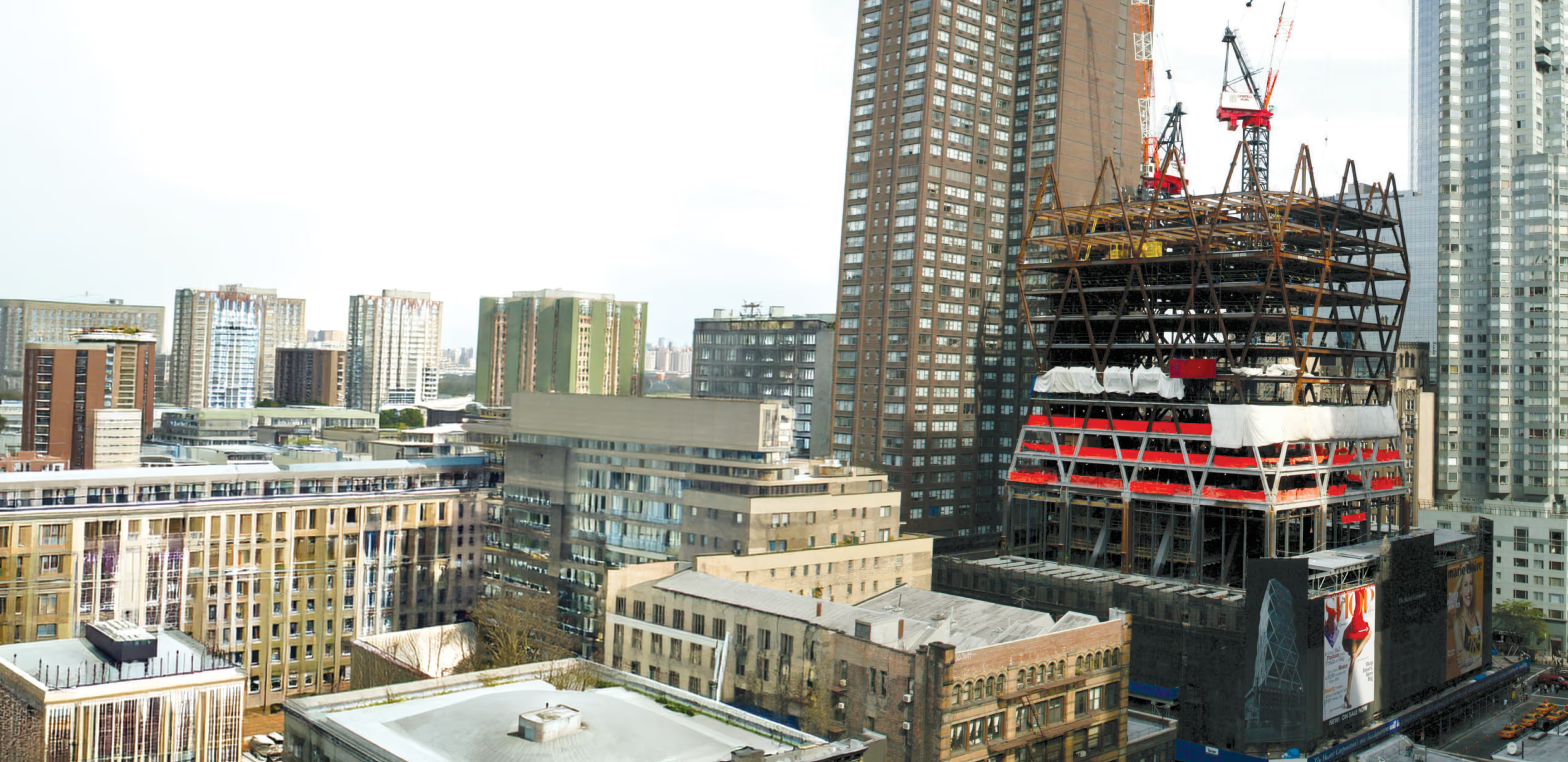
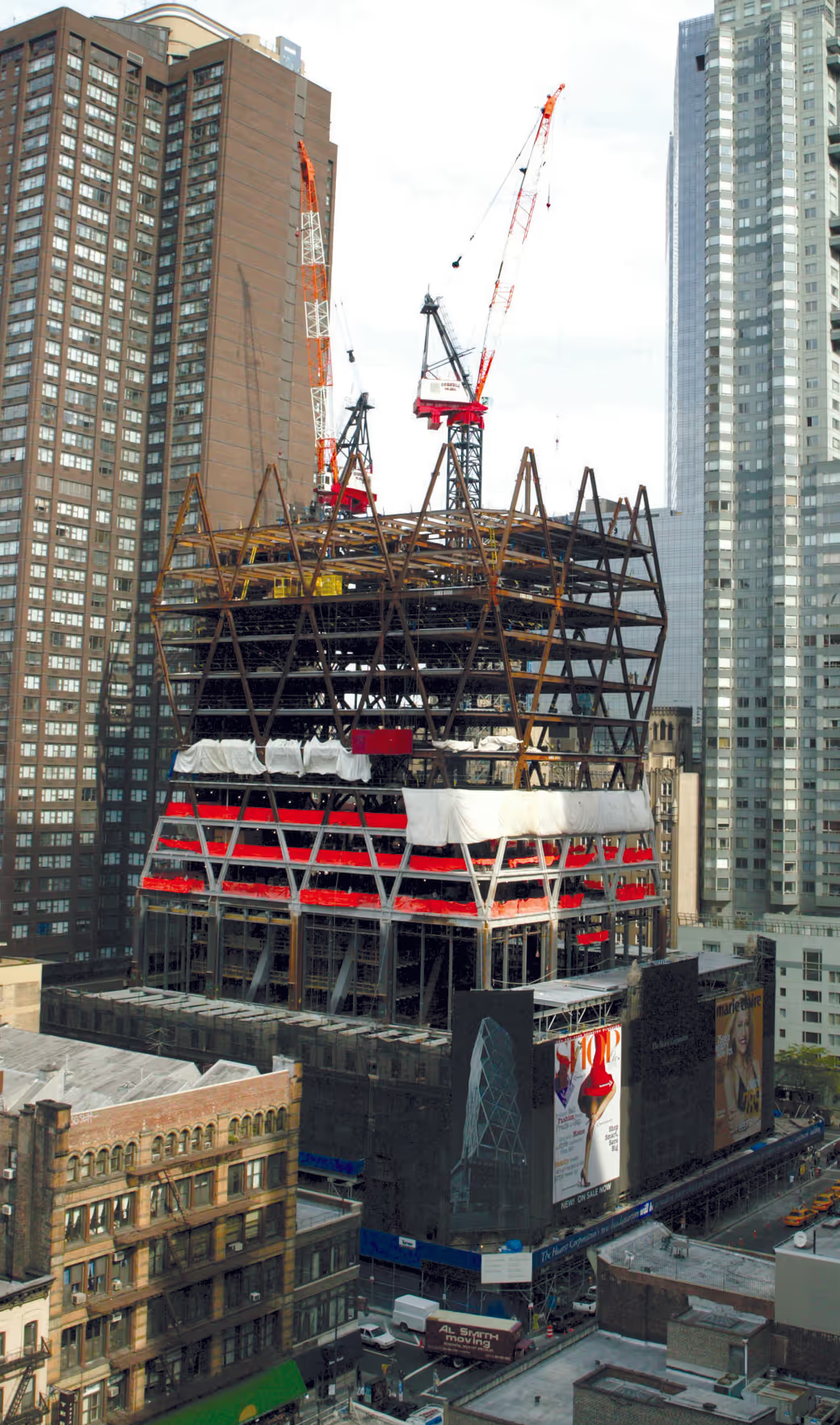
On September 11, New York City endures the largest terror attack ever on American soil. After the events of that terrible day, Hearst makes an important decision to solidify its commitment to New York City by initiating the construction of a state-of-the-art headquarters to serve as a beacon of resiliency and sustainability.
The first skyscraper to break ground in New York City after 9/11, Hearst Tower’s 46 stories were completed in 2006. They rise above the historic landmark base, blending past and future unlike any other office building in North America.
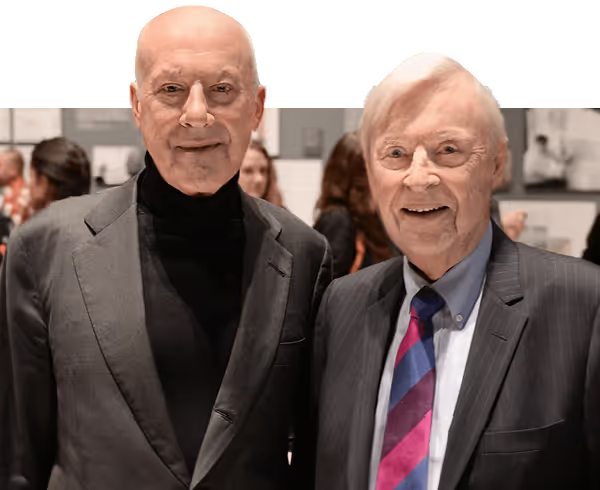
Hearst Director and former Chief Operating Officer Gilbert C. Maurer (right) led the architectural selection committee that chose Norman Foster (left) to design Hearst Tower.
2005
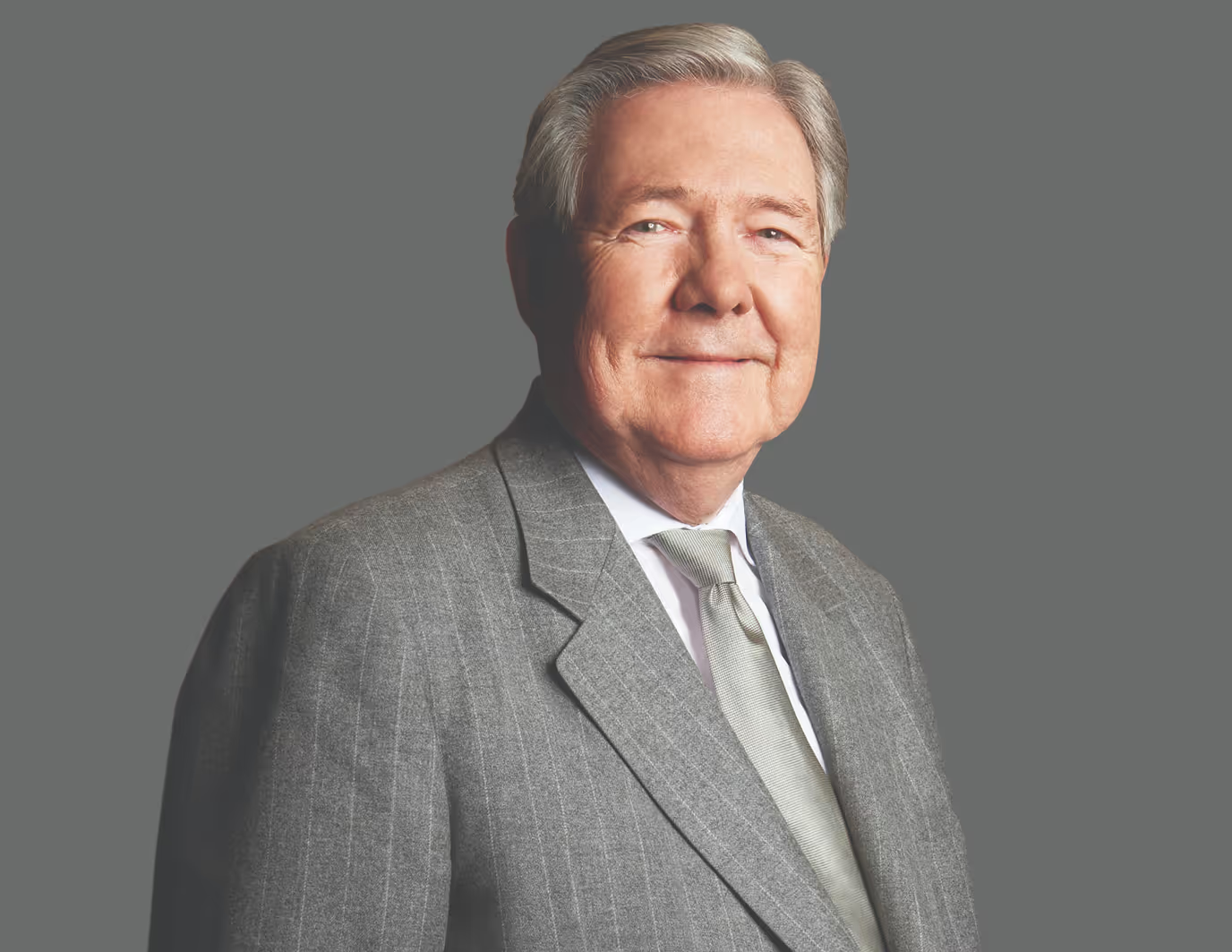
Frank A. Bennack Jr. is named chairman of the Lincoln Center board of directors and managing director of the Metropolitan Opera board of directors.
2007
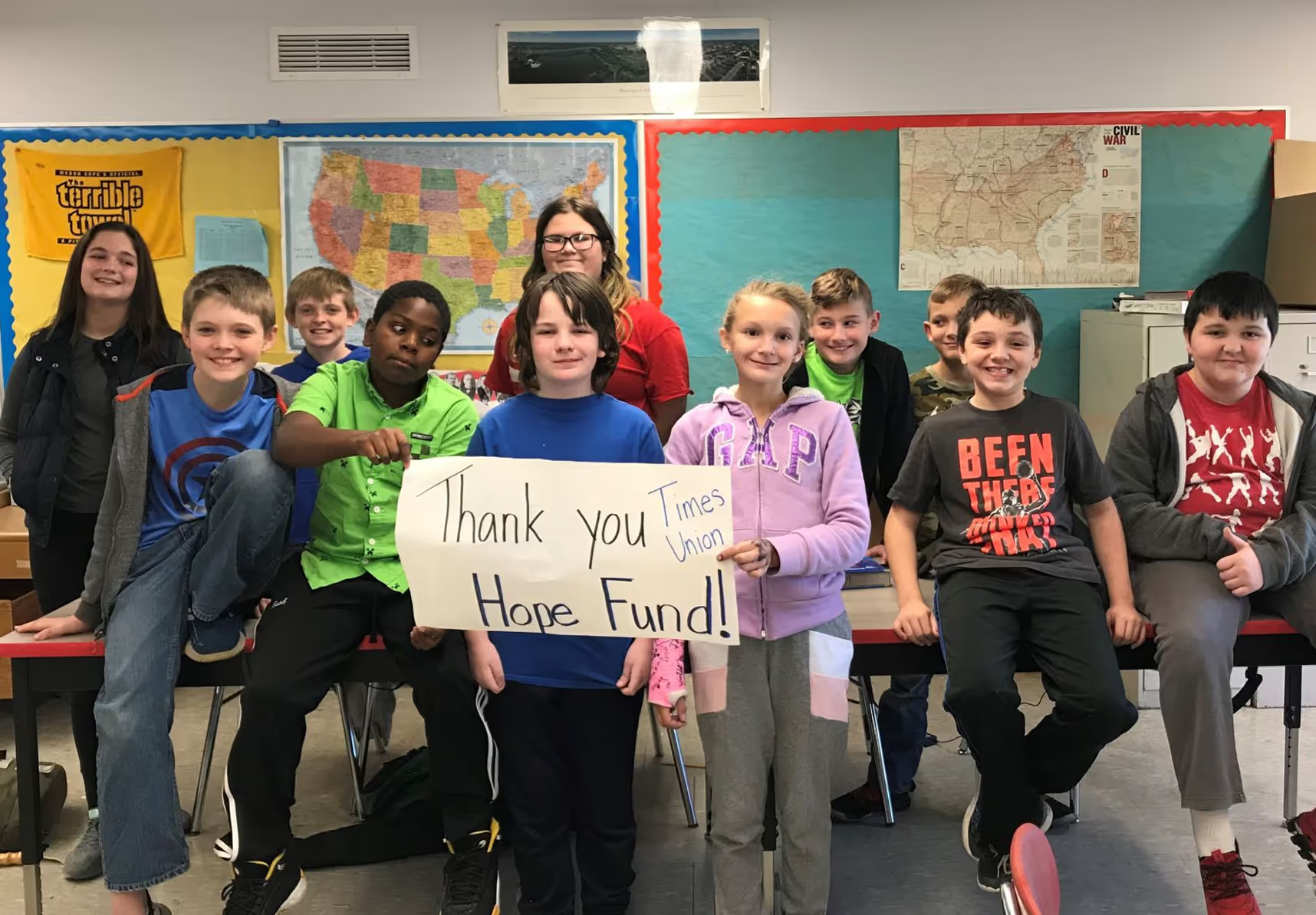
The Times Union launches the Hope Fund after an investigative series uncovers the needs of area children.
The fund provides philanthropic support via grants to after-school and summer programs, with an emphasis on those that have a significant positive impact on the lives of underserved and at-risk children in the region.
2010
Good Housekeeping, the leading women’s service magazine, celebrates 125 years as a trusted source of consumer safety.

2014
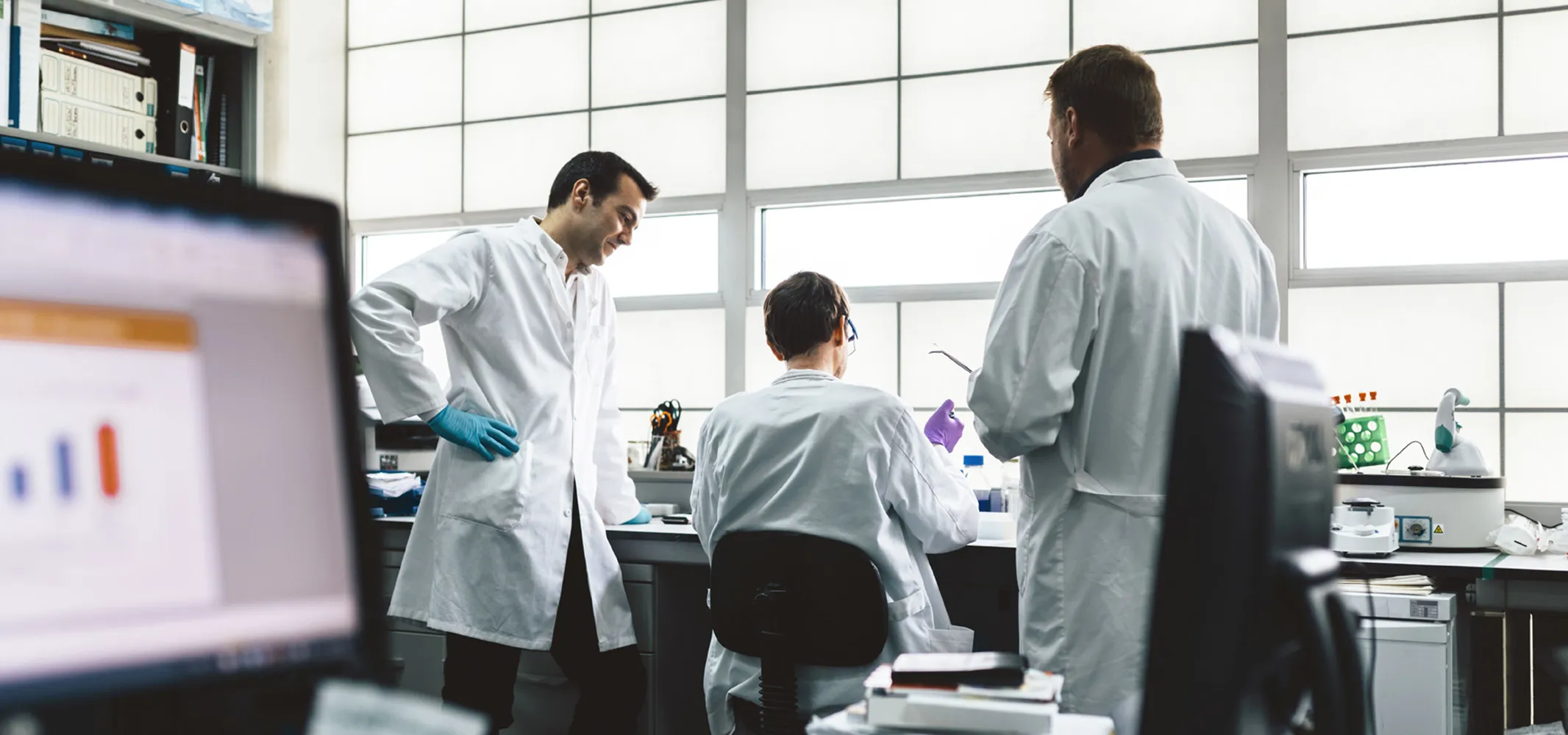
Hearst forms the Hearst Health division, solidifying its commitment to healthcare information for the wellbeing of diverse communities.
2015
Hearst Health announces the inaugural Hearst Health Prize, a $100,000 cash award given in recognition of an organization’s or individual’s outstanding achievement in managing or improving wellness.

2015
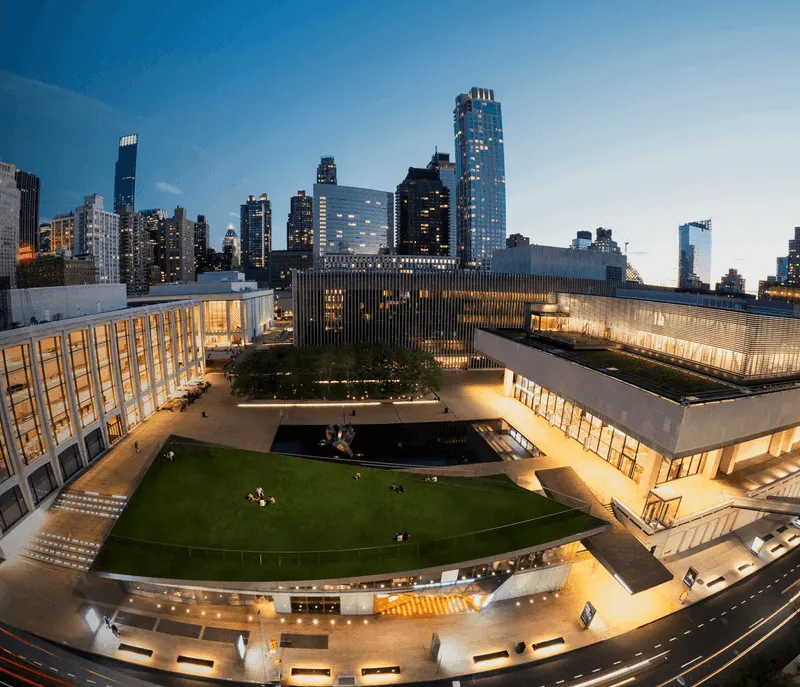
Hearst spearheads a capital campaign for Lincoln Center for the Performing Arts, raising $10.4 million, the organization’s largest fundraising campaign in history.
2015
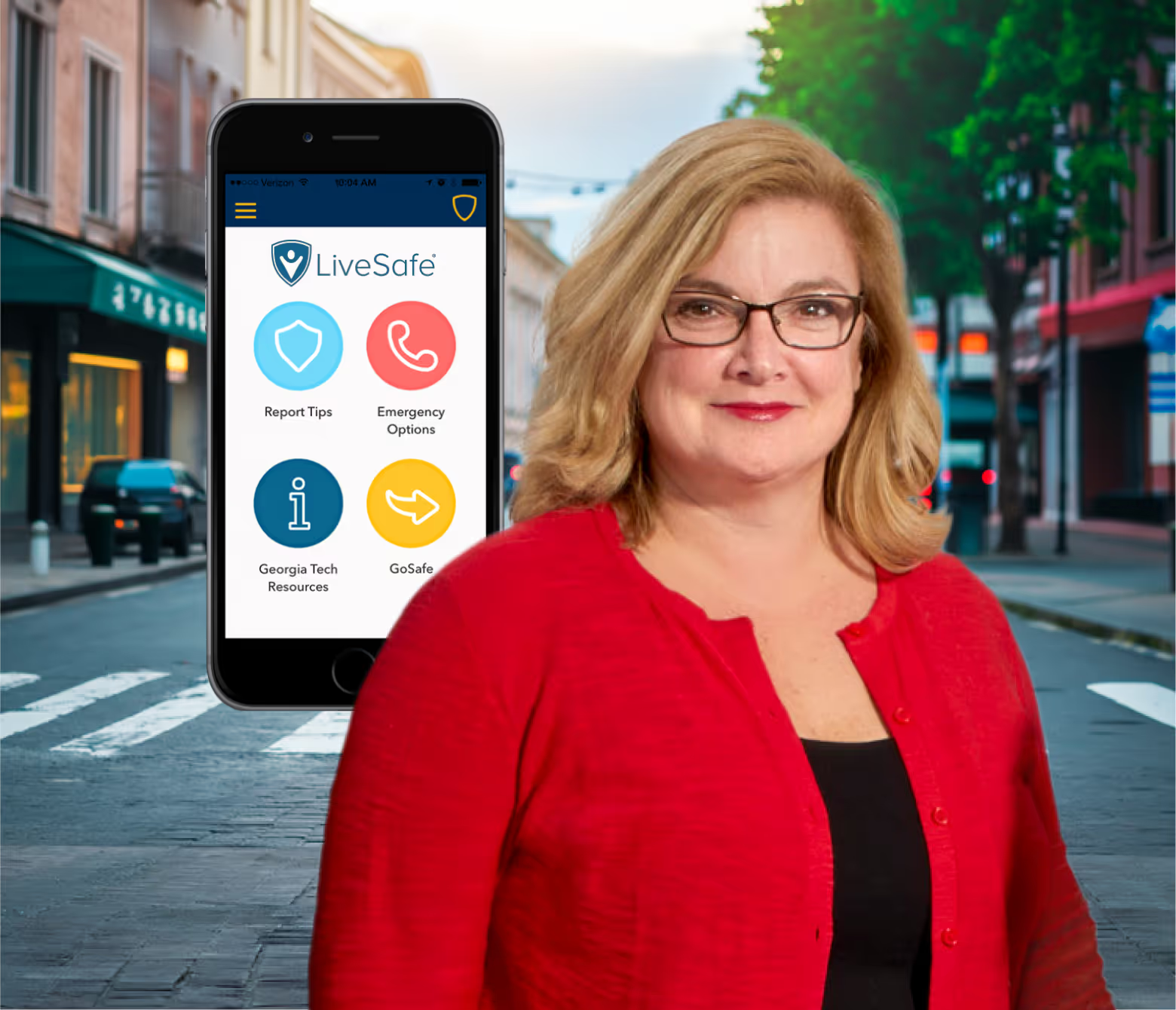
Hearst Ventures invests in LiveSafe, a smartphone app and mobile safety communications platform that transforms how universities, sports teams and global businesses empower and protect their people.
2017
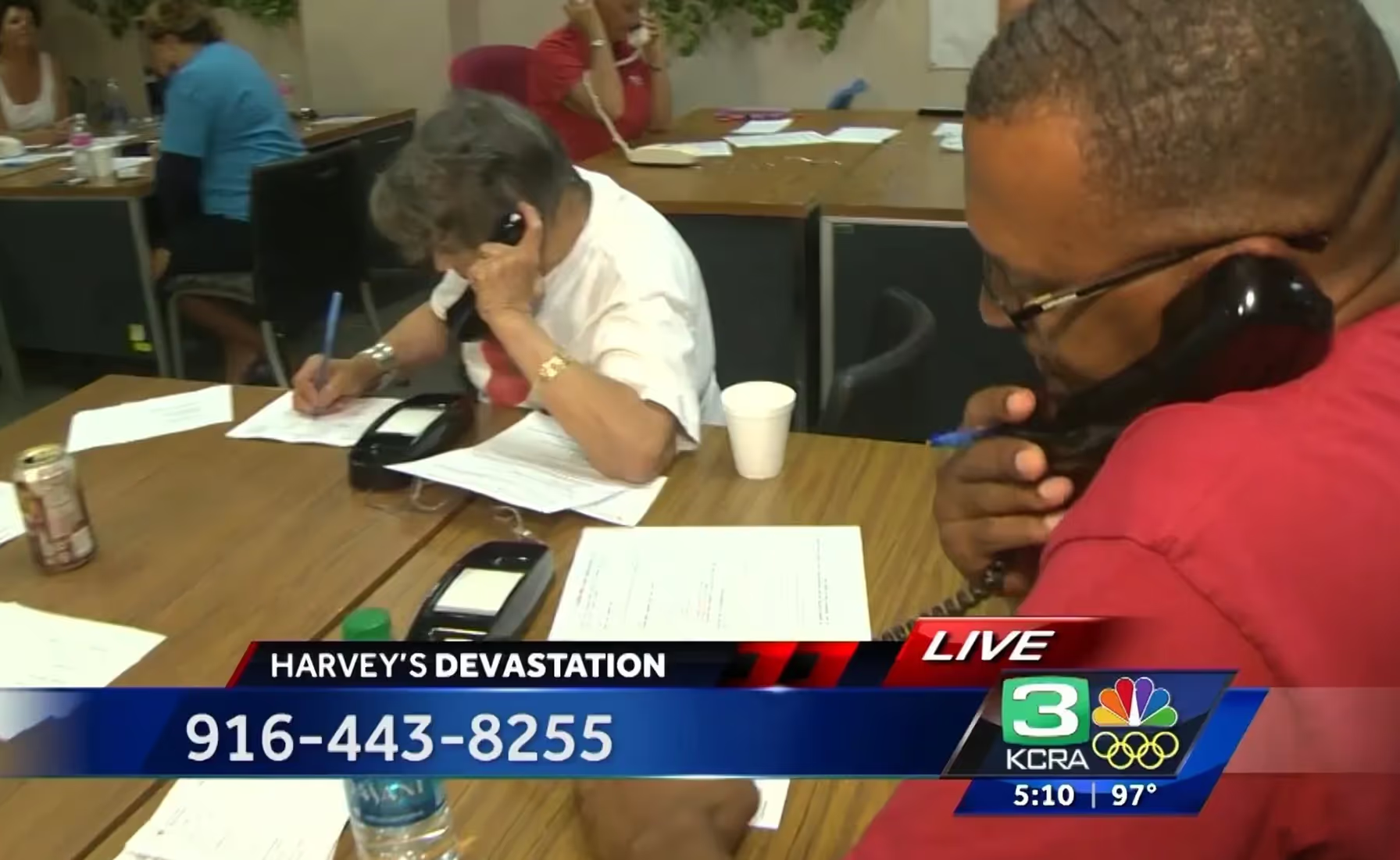
Hearst Television stations raise $4.1 million to aid Hurricane Harvey victims and Hearst donates $1 million to the American Red Cross of the Greater Houston area.
2020
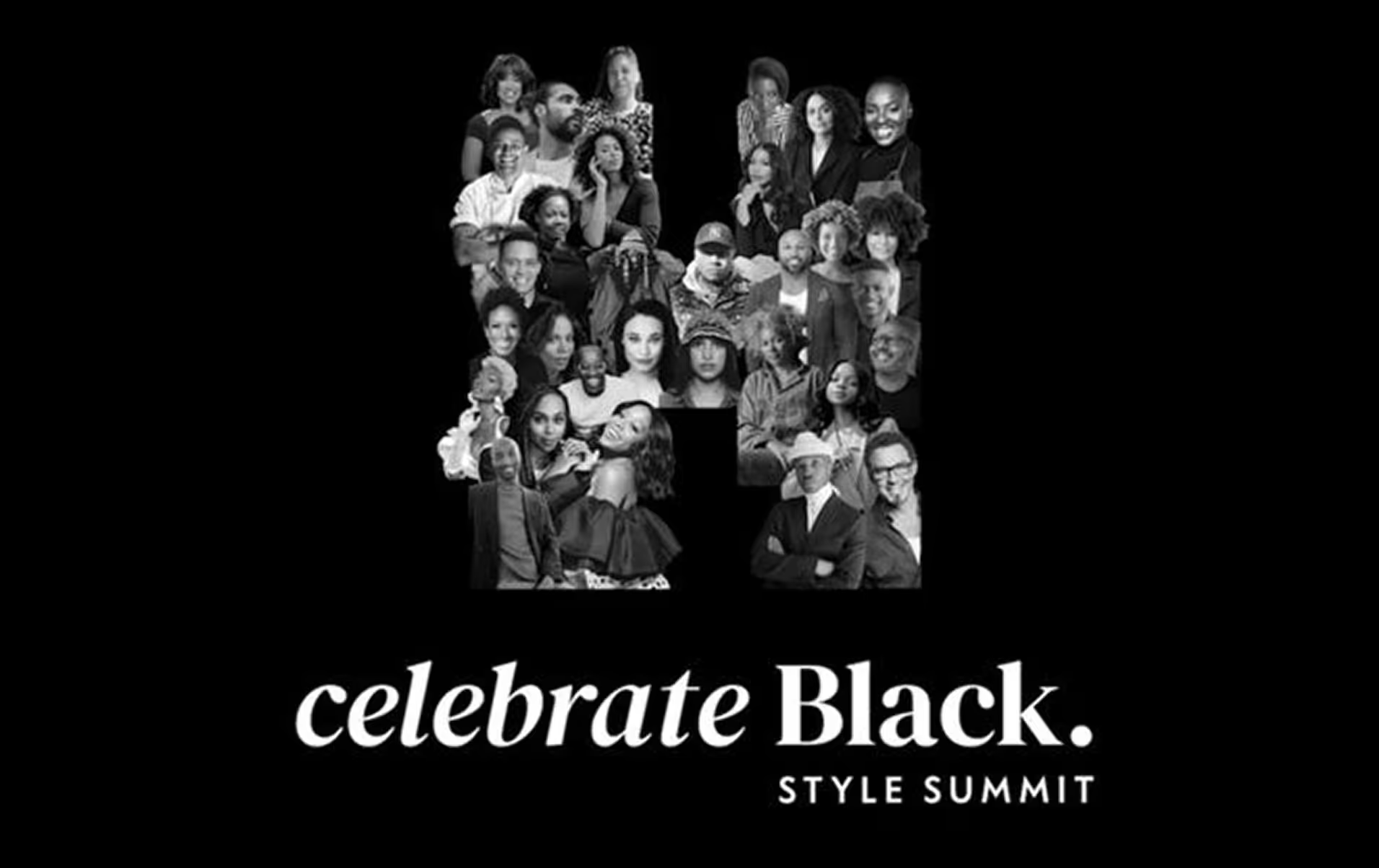
Hearst Magazines employee resource group Hearst Black Culture initiates a fundraising drive that raises, with Hearst’s dollar-for-dollar match, more than $1.2 million for organizations fighting injustice.
2020
The Hearst Foundations announce over $50 million in special grants to more than 100 U.S. medical, humanitarian and cultural organizations in the wake of the COVID-19 pandemic.

2020
Fitch launches Fitch Community Champions, a network of over 80 passionate team members who take on a leadership role in mobilizing others in their offices to make a difference in their communities.
2020
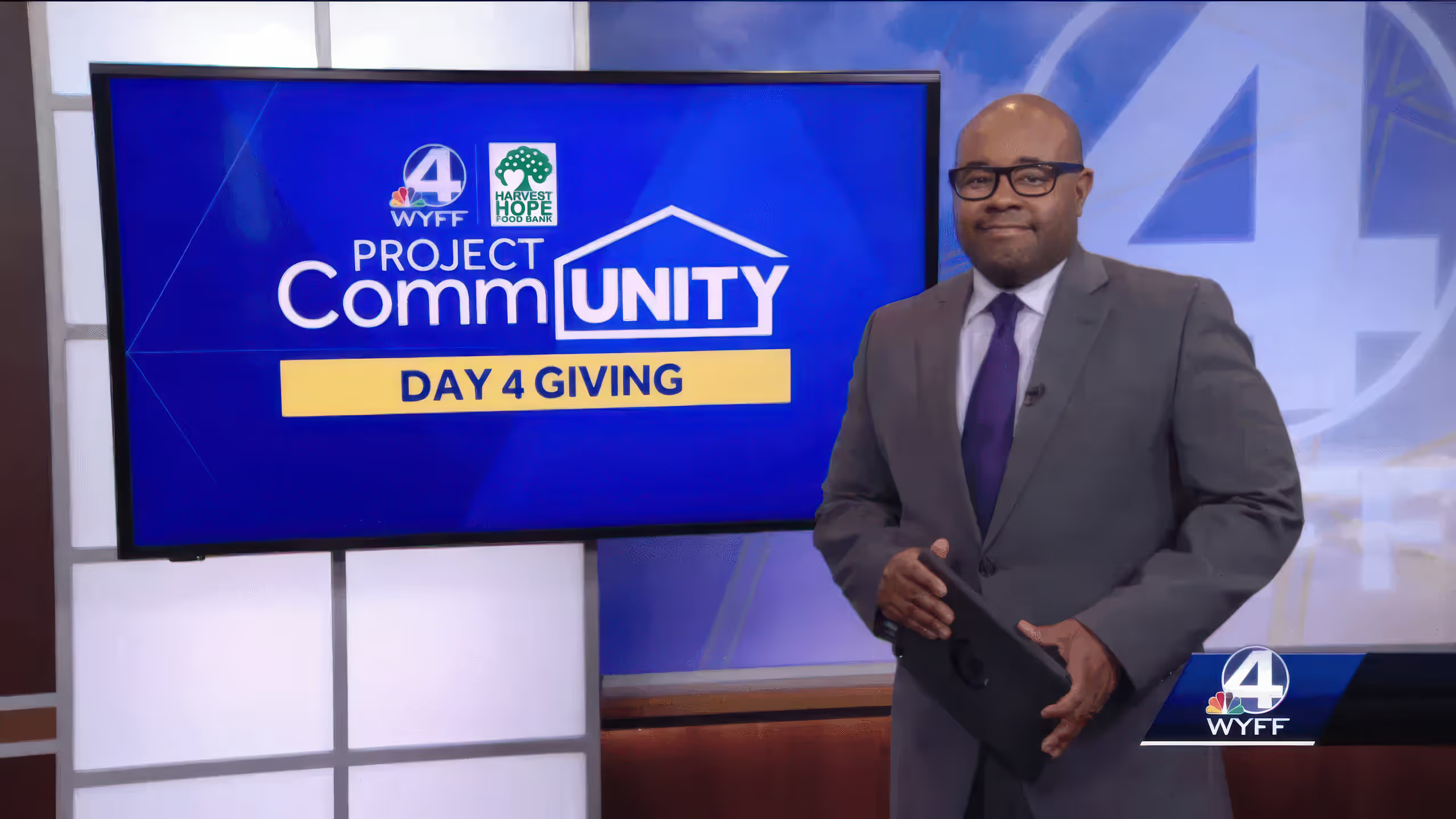
In response to the COVID-19 crisis, Hearst donates $3 million to support relief efforts across the U.S. and launches a $1 million matched giving fund for United Way’s COVID-19 Community Response and Recovery Fund. In total, Hearst Television telethons raised more than $23 million for COVID relief.
2020
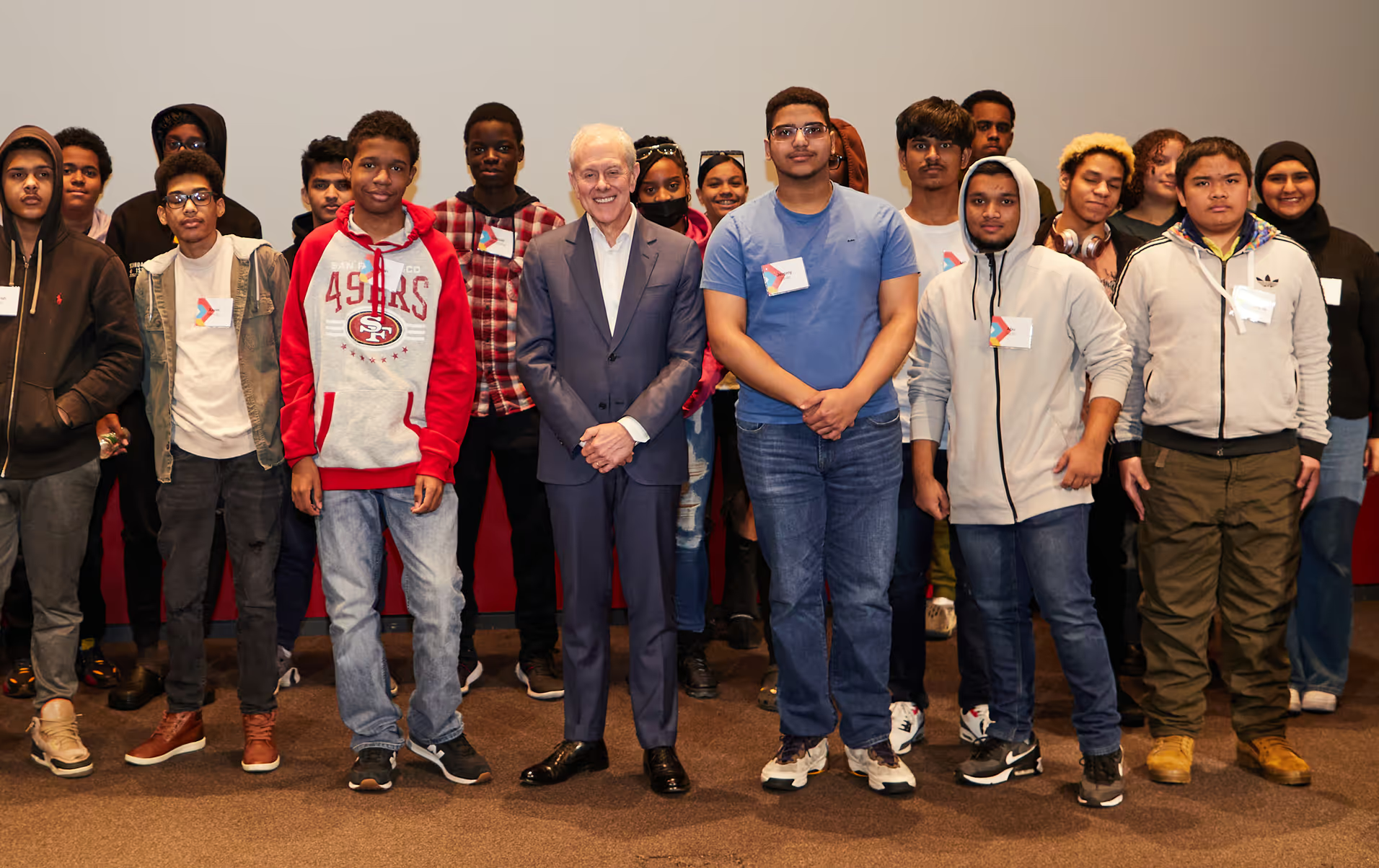
Hearst joins Partnership for New York City and the New York City Department of Education to participate in Career Discovery Week, hosting high school students for a day of learning at Hearst Tower. The program provides students with a greater understanding of Hearst and the careers they can pursue.
2021
Hearst Gives Back launches an always-on giving platform for colleagues to support the causes they care about and receive a dollar-for-dollar company match, up to $10,000 per person per year.
2022
Hearst introduces the Hearst Gives Back Service Awards, honoring colleagues who are committed to community service and volunteering.
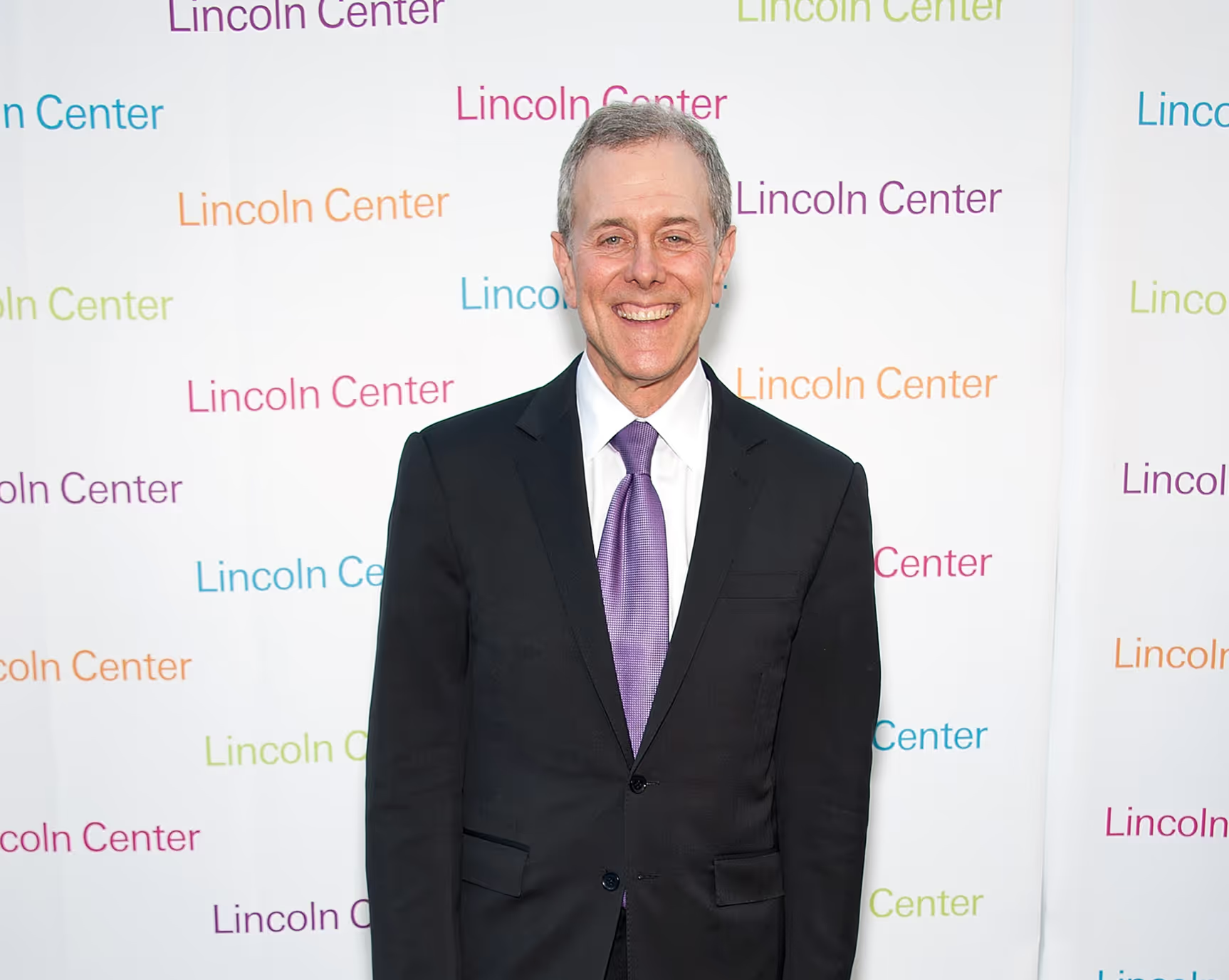
Steven R. Swartz is named chair of the board for Lincoln Center for the Performing Arts.
2023
Steven R. Swartz is named chair of the board for Lincoln Center for the Performing Arts.
.avif)
2024
Hearst matches colleagues’ donations, resulting in $21 million of donations to 11,000 nonprofits, as well as 55,000 hours of service since the launch of the Hearst Gives Back program in 2021.
2025
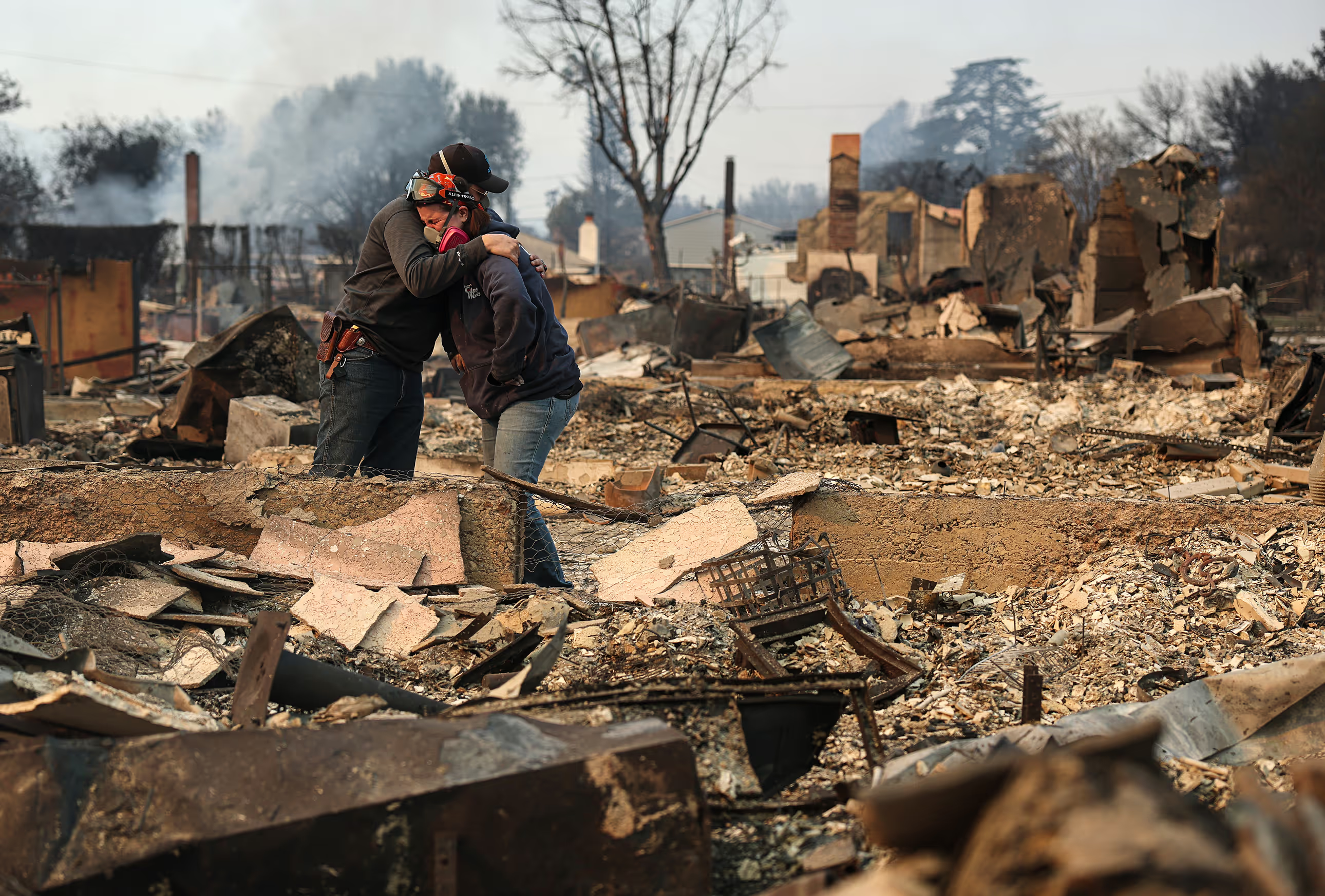
Hearst Foundations gives $3 million for California wildfire relief.